


What Is a Pinterest Manager? A Clear Guide for E-commerce Brands
For e-commerce and DTC brands, Pinterest can be a powerful way to build demand and drive consistent sales. A Pinterest Manager’s job is to make that happen.
In this article, I will walk you through what a Pinterest Manager actually does to market online stores. Not in theory, and not as a pitch. Simply what the role typically covers, how it fits inside an e-commerce marketing team, and how it shows up in day-to-day activity.
If you are trying to understand the role before deciding if Pinterest should be handled internally or partner with a specialist, this is the right starting point.
What is a Pinterest Manager?
A Pinterest Manager is responsible for managing a brand’s presence on Pinterest with the goal of increasing qualified visibility and supporting traffic and sales over time.
The role sits at the intersection of content, search behaviour, and commerce. Unlike most social channels, it is not centred on community building or short-term engagement. And, unlike traditional SEO, it is highly visual and strongly influenced by seasonality and planning behaviour.
In practical terms, a Pinterest Manager focuses on:
- How products and content are discovered on Pinterest
- How Pinterest content is structured and organised
- How organic and paid activity coexist on the platform
- How performance is monitored and interpreted over time
Think of a Pinterest Manager as part SEO strategist, part creative director, and part performance marketer, all working together in one role.
Common reasons e-commerce brands bring in a Pinterest Manager
- Lack of in-house expertise. Pinterest is not like Instagram or Facebook. It’s a visual search engine that requires a unique blend of SEO, creative design, analytics, and paid ads. Your social media manager may be brilliant at TikTok, but Pinterest demands a different skill set entirely.
- Time constraints. Managing boards, researching keywords, creating pin variations, and analysing performance is labour-intensive work, even with AI tools to help. Most marketing teams are already stretched thin.
- Need for consistent visibility. Pinterest rewards regular posting and fresh content. A manager ensures this happens daily, without fail.
- Conversion focus. Every pin, board, and ad should be created with the end goal of product discovery, engagement, and ultimately, sales. A Pinterest Manager makes sure every piece of content is working towards that goal.
If you are already getting organic website traffic from Pinterest without much effort, that’s actually a sign you may be sitting on untapped potential. A Pinterest Manager’s role is often to help bring structure and consistency to that existing demand.
Core Responsibilities of a Pinterest Manager for Online Stores
A Pinterest Manager’s work goes far beyond designing attractive images. Their role covers the full spectrum of strategy, content creation, optimisation, and performance tracking. Everything they do is aimed at increasing your product visibility, attracting the right audience, and converting that attention into sales.
Account structure and organisation
Pinterest accounts perform best when their structure mirrors how users search, not how a brand organises its internal catalogue. A Pinterest Manager defines the board architecture and naming conventions, how products and content are grouped, how seasonal and evergreen content coexist, and how new content is introduced without clutter.
This work is foundational. Without it, even strong creative tends to underperform. Get the structure right, and everything else becomes more effective.
Product discovery optimisation
Pinterest users rarely search for brand names. They search for outcomes, styles, and ideas.
A Pinterest Manager’s role is to ensure products surface naturally within those searches by aligning board titles and descriptions with real search behaviour, writing pin titles and descriptions that are easy for the platform to understand, creating multiple entry points for the same product or category, and keeping organic pins aligned with product catalogue data. The priority is discoverability first, with brand recall building over time as a result.
Content direction and coordination
Content direction and coordination often includes hands-on creation. Pinterest Managers often create pin images themselves using the assets provided by the client, rather than relying on a single visual per product. Multiple variations are created to reflect how people actually discover content on Pinterest, combining lifestyle compositions, detail-led shots, seasonal adaptations, and different pin formats.
Over time, this gives each product more opportunities to surface in search and feeds, while high-performing visuals can be refined, reused, and adapted as interest shifts, supporting steady visibility rather than short-lived bursts of attention.
Organic and paid alignment
Organic and paid Pinterest activity are closely linked. Organic content establishes keyword coverage, relevance signals, and creative learnings. Paid campaigns amplify what already works and accelerate reach and conversions. On Pinterest, rather than operating as separate tracks, both organic and paid content work together more closely than other platforms. A Pinterest Manager is responsible for connecting the two, ensuring insights flow between them and activity is aligned.
At this stage, many teams naturally pause and ask whether Pinterest management should be handled internally, externally, or at all.
That decision depends far more on business maturity, existing traction, and internal ownership than on Pinterest itself. I’ve broken that decision down clearly on a separate page here: when it makes sense to hire a Pinterest specialist.
Pinterest Managers tap into Pinterest’s Unique User Behaviour
Pinterest is nothing like Instagram, Facebook or TikTok. Pinterest is not driven by fleeting trends or quick entertainment. Instead, it thrives on purposeful searching and inspiration-led discovery.
A Pinterest Manager knows how to tap into the platform’s visual search and inspiration-led buying behaviour to get your products noticed and purchased.

The Pinterest customer journey
Pinterest excels as a top-of-funnel platform, introducing users to new ideas, products, or services. It’s the starting point where fresh eyes are captured, and brand introductions begin.
Many Pinners are in a planning mindset, meticulously curating their boards. They might not convert instantly, but this is where the seeds of future decisions are sown.
Eventually, plans turn into actions. Whichever path leads them to the final purchase, there’s a strong chance that the initial introduction to your product happened on Pinterest.
Content Creation & Campaign Management
At the heart of Pinterest success is content that inspires action. A Pinterest Manager’s job is not just to create pins that look attractive. Their role is to design and deliver campaigns that consistently put your products in front of the right people, at the right time, and in a way that makes them want to click.
Making your products highly visible
Multiple Pins per product. A single image rarely does a product justice. A Pinterest Manager will produce several pin variations for each item, showing it from different angles, in different contexts (seasonal styling, gifting ideas, problem-solving uses), and in multiple formats (standard, video, carousel).
Seasonal relevance. Aligning pin content with key retail moments is essential. Mother’s Day, Christmas, back-to-school, Valentine’s Day. A kitchenware brand might release holiday baking pins in early autumn. A travel retailer could promote summer packing guides as early as February. Planning ahead allows your brand to be visible when searches are at their highest.
Campaign management. Each campaign is planned with clear goals. Increasing awareness for a product launch, driving traffic to a specific category, boosting sales during a key promotion. The manager monitors performance throughout, adjusting creative or targeting if certain pins outperform others.
By combining compelling visuals with strategic timing, a Pinterest Manager keeps your products circulating in Pinterest’s ecosystem all year round.
Pinterest SEO: The Foundation of Visibility
Pinterest is, above all, a search engine. Your Pinterest Manager acts as your in-house SEO specialist for the platform, using targeted techniques to make sure your products appear in front of the right audience.
Core SEO activities
Keyword research. Using Pinterest Trends and related search suggestions to find what shoppers are searching for. Monitoring seasonal shifts ensures that your content reflects what people are looking for at different times of the year.
The Pinterest Trends tool has become increasingly powerful, now including seasonal forecasts, shopping insights, and trend modelling that shows when interest in specific topics peaks. A Pinterest Manager uses this data to time your content perfectly.
On-platform optimisation. Adding keywords to pin titles, descriptions, and board names makes it easier for Pinterest’s algorithm to understand what your content is about and match it with relevant searches.
Fresh content signals. Maintaining a steady flow of new pins, whether brand-new designs or refreshed versions of older high performers. Consistent posting keeps your brand in front of your audience and signals to Pinterest that your account is active and relevant.
Cross-platform SEO benefits. Strong Pinterest SEO can also help you get found on other SEO and AI channels. When users click through to your site from Pinterest and spend time engaging with your content, it sends positive signals about the value of your site.
Pro Tip: Boards account for nearly a quarter of all Pinterest SEO traffic. Naming them with clear, searchable phrases instead of creative but vague titles can significantly increase your reach.
Paid Advertising Strategy and Management
While organic Pinterest marketing is the foundation of a long-term growth strategy, pairing it with paid advertising can dramatically accelerate results. Organic pins build authority, visibility, and trust over time. Ads give your campaigns an immediate boost by helping your products reach far more people, far faster.
An experienced Pinterest Manager knows how to combine these two approaches so they complement each other.
The ripple effect of paid ads
Paid ads create a ripple effect well beyond the lifespan of the ad campaign itself. When your promoted pins generate clicks, saves, and close-ups, these engagement signals tell the algorithm that your content is worth showing more often. This can improve the visibility of your organic pins long after the ad campaign ends.
What a skilled Pinterest Manager will do
A skilled Pinterest Manager understands how different ad formats support different stages of the buyer journey, tracks performance using metrics that reflect real business impact, and sequences campaigns so paid activity reinforces organic foundations rather than compensating for weak ones.
Using tools such as Pinterest Analytics and GA4, they connect clicks to actual revenue, adjust targeting, and refine creative to continually improve performance.
Tracking Success and Reporting
A Pinterest Manager’s role is not only about creating and optimising content. It’s also about proving the value of that work to your business. Tracking performance is a critical part of the job because it shows exactly how Pinterest contributes to traffic, engagement, and sales.
Setting realistic expectations
Pinterest is a long-term platform, especially on the organic side. A Pinterest Manager sets realistic expectations so you know when results are likely to appear.
Organic growth often takes three to six months before significant gains are visible. Paid campaigns can deliver results in a matter of weeks, particularly for retargeting. Delayed attribution is very common on Pinterest. A user might click a pin today, save it, and then return to make a purchase weeks later.
Using data to improve strategy
Performance tracking is not just about reporting numbers. A Pinterest Manager uses the data to refine the overall strategy.
If certain types of pins or formats consistently deliver higher engagement, they’ll create more content in that style. If certain demographics, keywords, or interests are not converting, they’ll be excluded from paid campaign targeting.
Communicating results clearly
Marketing managers and stakeholders need information that is clear and actionable. A Pinterest Manager provides regular reports that show what is working, what can be improved, and how the current strategy is adding value.
This level of transparency builds trust and ensures everyone understands Pinterest’s role in the marketing mix.
What Results Can You Realistically Expect?
Results vary widely depending on product, category, and website performance, but these examples illustrate how Pinterest typically compounds over time when managed consistently.
Real examples of Pinterest performance
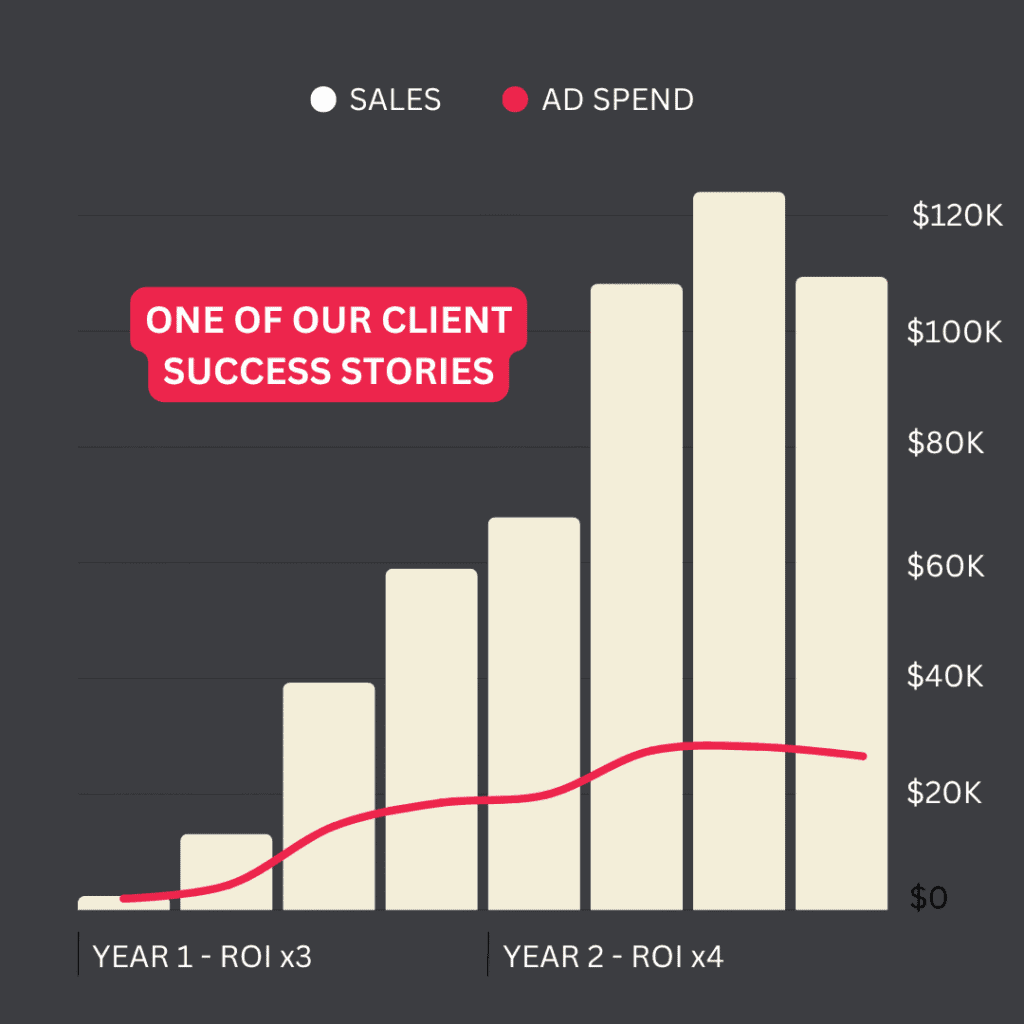
Health industry client: Long-term ROI and low CPA. For one client in the health space, sales and ROI increased while the Cost Per Acquisition dropped well below what they were seeing on other platforms. In the first eight months, the average CPA came in at $47 against a target of $75 or lower. Over time, that figure dropped to an average of $30, with the current number lower still. Consistent effort and strategic adjustments delivered a significant improvement in ROI.
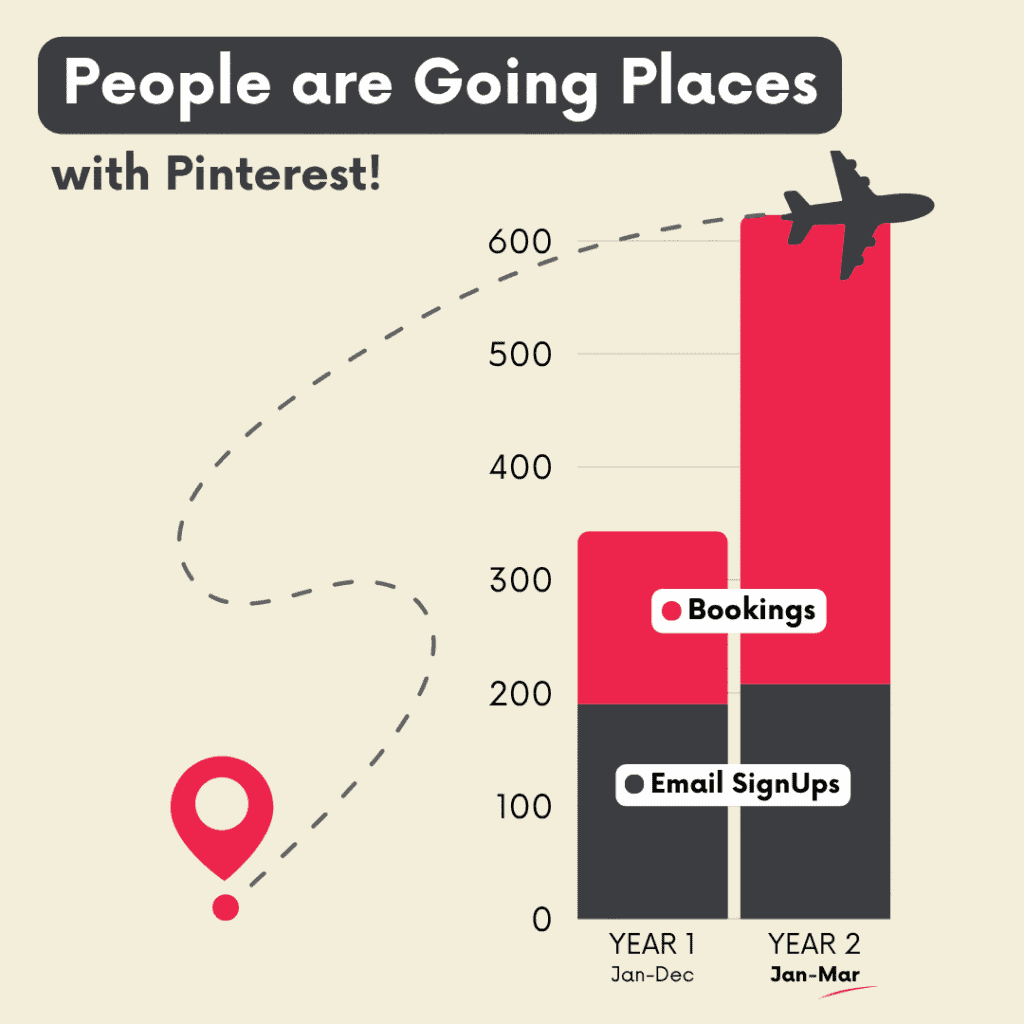
Travel client: From inspiration to reservation. For a travel client, twelve months were spent inspiring potential travellers. That strategy paid off as the busiest season approached. Those who had been dreaming up their perfect trips in year one started booking them in year two. In the first three months of year two alone, Pinterest booking numbers almost tripled compared to the whole of the previous year. Learn more about Pinterest for travel brands.
Top FAQs About Hiring a Pinterest Manager
These are some of the questions I hear most often from e-commerce and marketing managers who are exploring the idea of hiring a Pinterest Manager.
Is a Pinterest Manager focused on organic, paid, or both?
It depends on the scope of the role and the needs of the business.
Organic and paid Pinterest activity are closely linked. Organic content establishes keyword coverage, relevance signals, and creative learnings. Paid campaigns amplify what already works and accelerate reach and conversions.
Some Pinterest Managers specialise purely in organic growth. Others focus exclusively on paid media and campaign management. Many experienced Pinterest Managers offer both, or work closely with your internal teams to cover the gaps.
In many cases, treating them separately is one of the most common reasons Pinterest underperforms. A skilled Pinterest Manager will align organic structure with paid objectives, so ads benefit from strong foundations rather than compensating for weak ones.
How is a Pinterest Manager different from a social media manager?
Pinterest is not managed like a traditional social channel.
A social media manager typically focuses on engagement, community, and short-lived content designed for feeds. A Pinterest Manager focuses on search visibility, product discovery, very specific types of engagement and long-term performance.
Pinterest content is built to be found months after publishing, not hours. That means keyword strategy, board architecture, creative testing, and performance analysis matter far more than posting frequency or follower growth.
Brands that fold Pinterest into a general social role often find that results plateau, because Pinterest requires a different mindset, skill set, and success metrics.
How much involvement will we need internally?
Less than most teams expect. But not zero.
A good Pinterest Manager works autonomously day to day. They don’t need constant approvals or hand-holding. What they do need is access to product information, upcoming launches, promotions, and core creative assets. Those assets are then used to create Pinterest-specific creatives for both organic and paid campaigns.
They typically own strategy, account structure, keyword research, pin optimisation, creative testing, and campaign performance. This includes guiding what should be created, why it matters on Pinterest, and how success is measured.
Most brands settle into a rhythm of a monthly check-in. That’s usually enough to align Pinterest activity with wider marketing goals without creating extra workload for internal teams.
What should we already have in place before hiring a Pinterest Manager?
Pinterest works best as an additive channel, not a rescue strategy. Before hiring a Pinterest Manager, you should already have a website that converts. Product pages, categories, and checkout should be doing their job with traffic from other channels.
You’ll also need a solid bank of creative assets. Product imagery, lifestyle photography, and brand visuals that can be adapted into Pinterest-specific creatives for both organic and paid activity.
In practice, Pinterest management delivers the most value when a business already has traction and is ready to scale visibility and demand more systematically.
Final perspective
A Pinterest Manager’s role is to make Pinterest understandable, structured, and consistent enough to support long-term discovery and sales.
When the role is defined clearly and expectations are realistic, Pinterest becomes easier to evaluate and easier to integrate into a broader marketing strategy.
The decision of whether that role is needed, and in what form, sits separately. This page exists to make the role itself clear, before that decision is made.
Any other questions?
Do you have more questions about Pinterest or just curious to learn more? Feel free to reach out! I’m always happy to chat and help you navigate the world of Pinterest. Drop me a line anytime, connect with me on Linkedin or book a call.
We’ve seen engagement increase significantly
“We love working with them as the process and communication is straightforward, they’re a proactive team dedicated to continually adjusting and adapting to get results, and we know our presence on Pinterest is being managed well.”

Pin for later!
Mary Lumley – Pinterest Marketing for eCommerce & Travel / What Is a Pinterest Manager? A Clear Guide for E-commerce Brands
